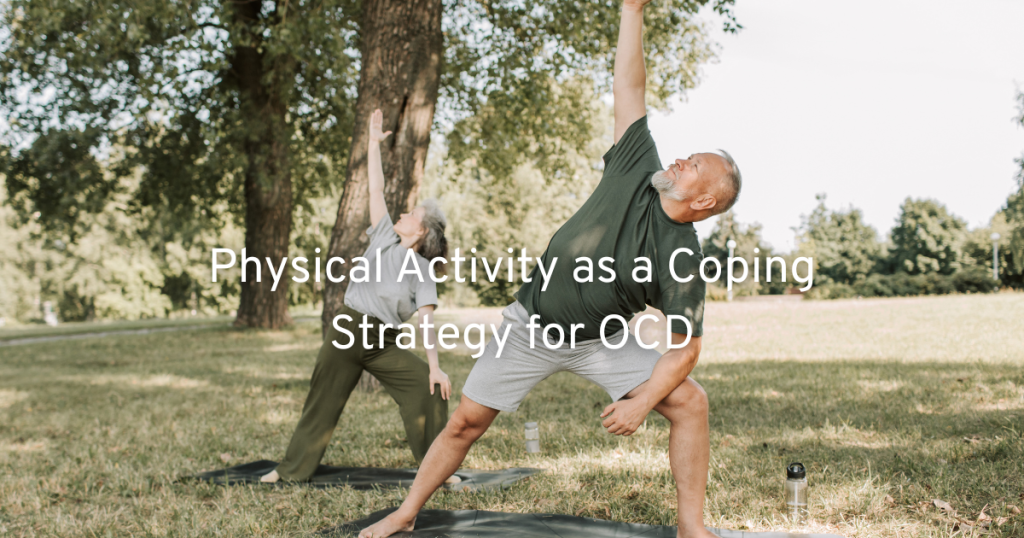
Physical activity as a coping strategy for OCD can be a real game-changer. Moving your body helps calm your mind, release built-up tension and shift your focus away from intrusive thoughts.
Welcome back to my series on learning to cope with Obsessive Compulsive Disorder (OCD). Key techniques you can use every day to control your compulsions and intrusive thoughts.
Exercising is an outlet for stored-up energy
When you’re anxious or stuck in a compulsion, your body holds that stress.
Exercise gives that energy somewhere to go. You don’t need to train for a marathon; even a ten-minute walk can help regulate your breathing, boost your mood and remind you that you’re in charge of what happens next.
Make sure you pick an activity that you love to do! There is nothing more demotivating than having to drag yourself to the gym if you don’t love being there!
Making it part of your day
The easiest way to start is to try weaving small bits of movement into your routine. You might:
- Go for a walk after work– nature really does help ground you and clear the mine!
- Stretch for five minutes between tasks– along with some breathing techniques this is great for de-stress!
- Put on your favourite song and dance around your kitchen– Yes, this is still movement and using energy! Who said exercising can’t be fun!
These tiny moments of movement can interrupt obsessive loops and create space to think more clearly. That’s what makes physical activity a coping strategy for OCD so effective; it works in real time.
Choosing what works for you
There’s no right or wrong way to move. The best approach is the one you enjoy enough to stick with. Some people love yoga or swimming; others prefer cycling or gardening. The goal is not perfection but consistency.
Building confidence through movement
Over time, you’ll notice more than physical benefits. You’ll start feeling stronger mentally, too. Each time you choose movement instead of a compulsion, you’re retraining your mind and body to respond differently. And if you are journaling, make sure you note down when you use movement or exercise instead of a compulsion. See if it works for you!
Physical activity as a coping strategy for OCD isn’t about avoiding your thoughts, it’s about empowering yourself to manage them.
This blog is part of a series on coping techniques for Obsessive Compulsive Disorder (OCD). Want to read the next in the series? Then click here- Challenging unhelpful thoughts with OCD