
Latest Articles
Below is a sample of blogs for you to read and listen to.
They are designed to help you learn more about particular topics you are interested in. Enjoy!
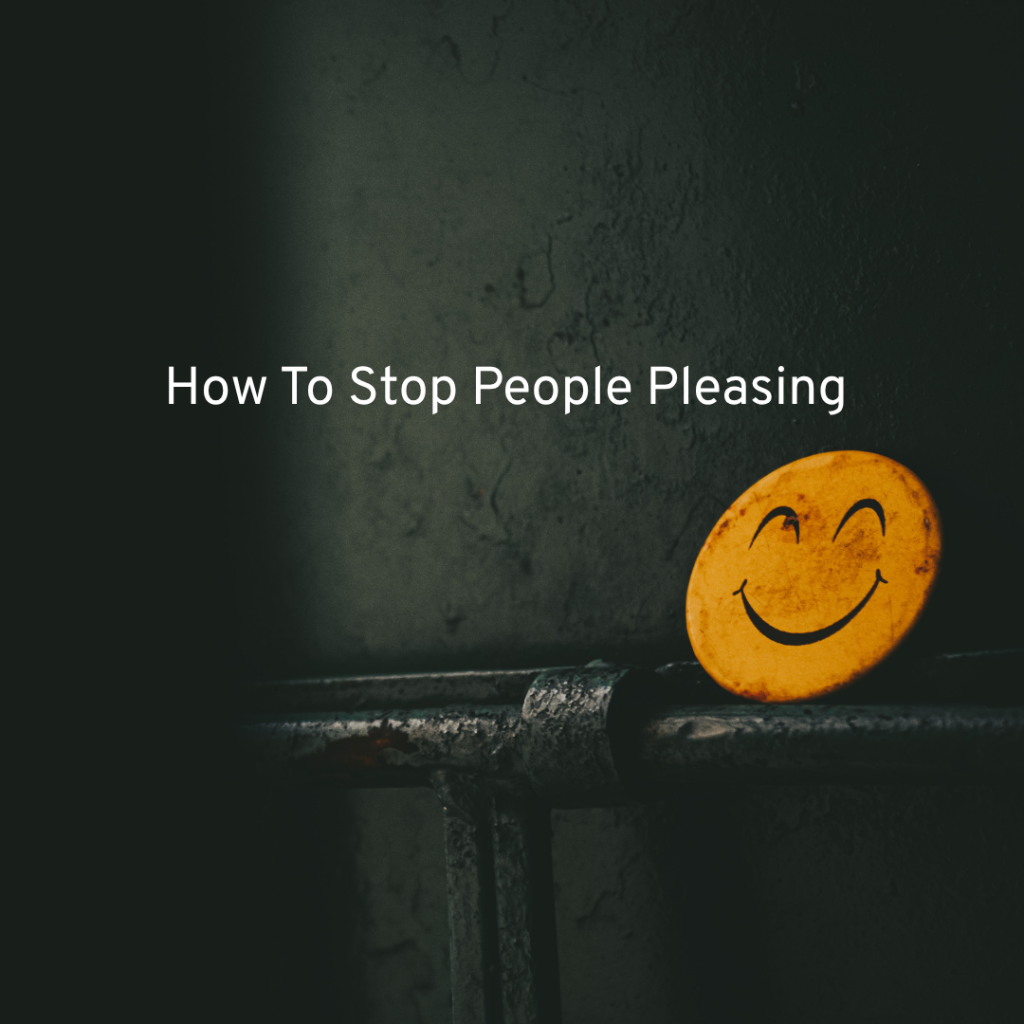
How to stop people pleasing
Knowing how to stop people pleasing sounds simple until you realise that for many people it is the only way they have ever known how to feel safe in their relationships, and that understanding changes everything about how we approach it.
If saying no fills you with dread, if you regularly abandon your own needs to keep other people comfortable, if you say yes before you’ve even checked whether you actually want to, then this guide is written for you.
Why people pleasing is not the same as being kind
There is an important distinction between genuine kindness and people pleasing, and understanding it is one of the first steps in learning how to stop people pleasing in a way that feels compassionate rather than selfish.
Kindness comes from a place of choice , you want to help, you have the capacity to help and helping feels good in an uncomplicated way. People pleasing comes from a place of fear, fear of rejection, fear of conflict, fear of disappointing someone, fear of what they will think of you if you say no or express a different opinion or simply put your own needs first for once.
When you help someone because you genuinely want to, it feels warm and satisfying. When you help someone because you are terrified of what happens if you don’t, it feels like relief, relief that the threat has passed, that nobody is upset, that you are still safe. Those are very different experiences, and only one of them is actually kindness.
Where people pleasing comes from
People pleasing almost always begins in childhood as a very intelligent, very adaptive response to an environment where keeping people happy felt necessary for safety, love or acceptance, and it is absolutely crucial to understand this about yourself because it means that your people pleasing is not a character flaw, it is a coping mechanism that worked when you needed it to.
The problem is that coping mechanisms don’t always update themselves as we grow, and so many adults find themselves still operating from these old patterns long after the original threat has passed.
Common experiences that can lead to people pleasing include growing up in an environment where expressing needs or disagreement felt unsafe, having a parent or caregiver whose emotional state felt like your responsibility, being praised primarily for being good, helpful, easy and undemanding, experiencing rejection or withdrawal of love when you didn’t comply, or simply learning early on that your worth was tied to how much you could do for others.
Understanding this about yourself is not an excuse to stay stuck, it is a reason to approach the process of change with far more compassion than you might otherwise allow yourself.
The real cost of people pleasing
People pleasing has a cost that accumulates quietly over time, and many people don’t recognise how high that cost has become until they find themselves feeling completely exhausted, resentful, disconnected from their own desires and deeply unsure of who they actually are beneath all the performing and accommodating and shrinking.
Learning how to stop people pleasing matters because the alternative, continuing to abandon yourself in order to keep everyone else comfortable, takes a toll on your mental health, your relationships and your sense of self worth that is far greater than the discomfort of occasionally disappointing someone.
Resentment is one of the clearest signs that people pleasing is costing you too much, that quiet, building frustration when you have said yes again to something you didn’t want to do, or when someone takes for granted the effort you constantly make, or when you look at your own life and realise that very little of it actually reflects what you want. Resentment is not a character flaw either, it is information, and it is worth listening to.
Practical steps to gently begin changing
You do not have to overhaul everything at once, in fact, trying to do so usually backfires and leads to more anxiety rather than less.
Instead, Dialectical Behaviour Therapy offers a gradual, skills-based approach to learning how to stop people pleasing that begins with very small, manageable changes and builds from there. Some helpful starting points include:
- Practising the pause, instead of automatically saying yes, try “let me check and get back to you” to create space between the ask and your answer
- Identifying your values and asking yourself whether your response aligns with them, not just with what the other person wants from you
- Noticing the difference between guilt that tells you you’ve genuinely done something wrong and guilt that simply tells you you’ve broken an old rule
- Starting with lower-stakes situations to practise saying no or expressing a preference, so that your brain begins to gather evidence that it is safe to do so
- Using assertive language that honours both your needs and the other person’s, “I’m not able to do that this week” is kind and boundaried at the same time
You are allowed to be a consideration in your own life
Perhaps the most important reframe in the entire journey of learning how to stop people pleasing is this one, having needs does not make you needy, having limits does not make you unkind and saying no does not make you selfish.
You are a person, not a service, and you are allowed to take up space, have preferences, make requests and occasionally disappoint people without it meaning that you are bad, difficult or unworthy of love.
The people in your life who truly care about you will not only survive your boundaries, they will respect you more for having them, and you will respect yourself more too, and that shift in self-respect is where the real healing begins.
Watch the full episode on people pleasing Don’t get a therapist yet YouTube channel
Download my eBook on self-esteem here


Sign up to access FREE Online Learning Resources
Sign up to our newsletter and we’ll give you our 10 part Sleep Course completeley FREE
