
Latest Articles
Below is a sample of blogs for you to read and listen to.
They are designed to help you learn more about particular topics you are interested in. Enjoy!
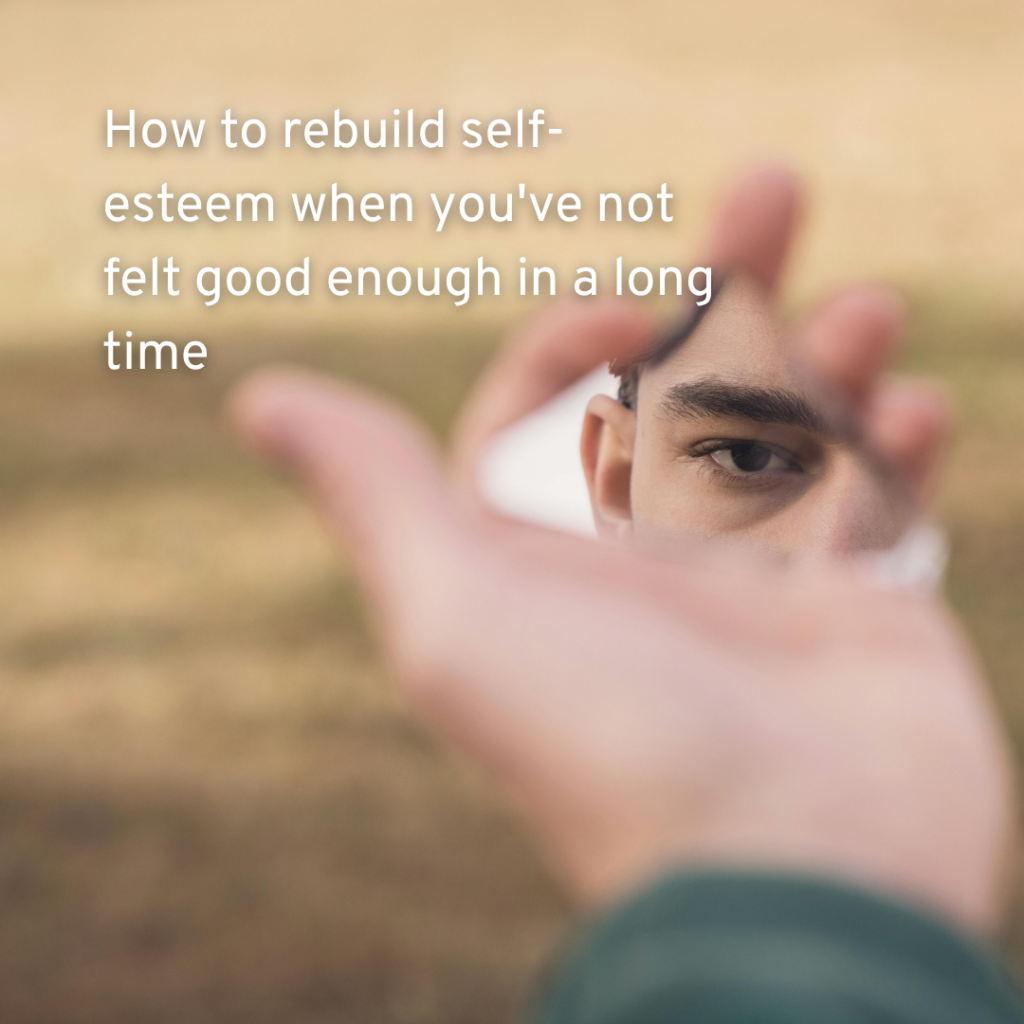
How to rebuild self-esteem when you’ve not felt good enough in a long time
Understanding how to rebuild self-esteem starts with changing your relationship with yourself, and you can begin that today.
Self-esteem is the foundation from which a meaningful, fulfilling life is built, and if that foundation has been shaky for as long as you can remember, this guide is for you.
What self esteem really means
Self esteem is your overall sense of worth as a human being, it is the quiet answer to questions like “do I matter?”, “am I enough?”, “am I worthy of love and respect even when I make mistakes?” and “can I take up space in this world without having to earn it?”
When self esteem is healthy, those questions have a relatively stable, positive answer that doesn’t depend on external validation, achievement or other people’s approval. When self esteem is low, the answers become conditional, I am only worthy if I am useful, only lovable if I am needed, only acceptable if I don’t upset anyone.
That conditionality is exhausting in a way that is very hard to explain to someone who hasn’t experienced it, because it means your sense of worth is never truly yours, it is always on loan from other people’s reactions, always one disappointment or rejection away from collapse. Learning how to rebuild self esteem means working towards a sense of worth that belongs to you unconditionally, and while that takes time and practice, it is absolutely possible.
Where low self esteem comes from
Low self esteem develops through experience, and understanding where it came from is one of the most compassionate and useful things you can do for yourself.
Common origins include:
- Criticism, bullying or rejection during childhood or adolescence
- Emotional neglect or not receiving enough warmth, reassurance and acceptance
- Being compared to others, particularly siblings, in ways that felt diminishing
- High expectations that were difficult or impossible to meet
- Trauma, difficult relationships or experiences that left you feeling unsafe or unworthy
- Simply not hearing the message often enough that you were enough, just as you were
Once these experiences shape a core belief, “I’m not good enough”, “I’m unlovable”, “I’m a burden”, the mind begins filtering all incoming information through that belief.
Compliments get dismissed. Mistakes get magnified. Silence gets interpreted as rejection. Understanding this filter is a crucial step in knowing how to rebuild self esteem, because it explains why the problem persists even when your life looks fine from the outside.
The evidence log, a simple CBT tool
One of the most effective tools from Cognitive Behavioural Therapy for rebuilding self esteem is something called an evidence log, and the concept is beautifully simple even though putting it into practice takes real commitment. Low self esteem trains your brain to collect evidence against you — to notice every flaw, every failure, every moment where you fell short, and the evidence log is a way of consciously, deliberately beginning to collect fair evidence for you instead.
Each day, write down three things, however small, that challenge your core belief. They do not need to be impressive or significant, they just need to be true and they need to be noticed, because noticing them is the point. Examples might include:
- I got through a really difficult morning and kept going
- I replied to someone thoughtfully and with kindness
- I noticed I was struggling and asked for help instead of suffering in silence
- I made a mistake and I repaired it rather than giving up
- I chose to rest instead of pushing myself to the point of burnout
- I expressed one honest preference instead of going along with what everyone else wanted
Over time, this practice begins to shift the filter. It does not happen overnight, and there will be days when it feels pointless or impossible, but consistency matters far more than perfection here and that is something worth remembering.
Compassion as a tool for healing
Many people with low self esteem have an inner critic that is extraordinarily harsh, one that speaks in a way that they would never dream of speaking to anyone they cared about. Compassion Focused Therapy works with this directly, not by silencing the inner critic or arguing with it, but by building a compassionate inner voice that is strong enough to respond to it with warmth and wisdom rather than shame and defeat.
This is not about being soft on yourself or making excuses, it is about recognising that harsh self-criticism does not create growth, it creates fear and avoidance and shame, none of which are conditions in which self esteem can flourish. Real growth comes from a place of safety and care, and learning how to rebuild self esteem means learning to create that for yourself, from the inside out.
You Are Not Your Core Beliefs
Perhaps the most liberating thing to understand about low self esteem is that the beliefs driving it are not facts, they are conclusions your younger self drew from difficult experiences, and conclusions can be updated when you have new evidence, new tools and a little compassion for how hard you have been working to hold yourself together all this time.
You are not broken, you are not unworthy and you are not too far gone to feel differently about yourself than you do right now, and every small act of self-respect, every moment of self-compassion and every piece of fair evidence you collect is a step towards knowing that in a way that finally feels real.
Watch the full episode of my recent podcast Don’t get a therapist yet on self esteem over on my YouTube channel
Download my eBook on Self-esteem here


Sign up to access FREE Online Learning Resources
Sign up to our newsletter and we’ll give you our 10 part Sleep Course completeley FREE
