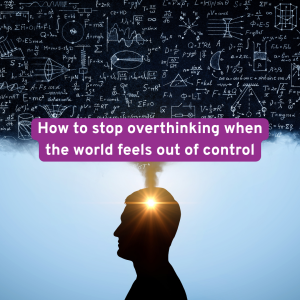
Emotional exhaustion can happen even when you think you are functioning.
You’re getting things done. You look absolutely fine to everyone around you.
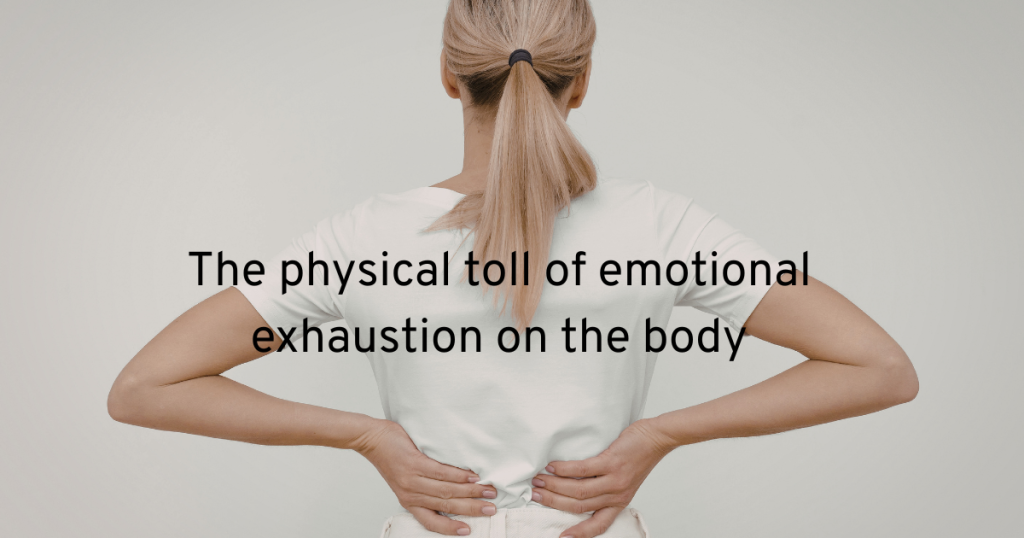
But inside, there’s this deep, bone-level tiredness that a good night’s sleep just doesn’t touch. That’s emotional exhaustion, and it’s more common, and more physical, than most people realise.
It’s not in your head. It’s in your body.
One of the most eye-opening things clinical psychologist Dr Claire Plumley talks about in her book on burnout is how unprocessed stress doesn’t just disappear.
When life keeps demanding more than you can comfortably give, and you keep saying yes, keep showing up, keep holding it all together, your body is quietly absorbing all of it.
Emotional exhaustion shows up in ways you might not connect to stress at first: a tight jaw when you wake up, a knot that lives permanently between your shoulder blades, a short fuse that surprises even you, a heaviness when you get out of bed that makes you feel like you haven’t slept at all. Your body is holding what your mind has been too busy to process.
Why high achievers are often the last to notice
If you’re someone who sets high standards for yourself, or who takes pride in being dependable, there’s a real risk that emotional exhaustion creeps up slowly and quietly. Because you’re still functioning. Still delivering. Still keeping everyone else’s world spinning.
But perfectionism and people pleasing come with a hidden cost: they create internal pressure that sits on top of every external demand you’re already carrying. The bar you set for yourself never quite gets reached, so you never fully rest. And the longer that goes on, the more depleted your system becomes, until one day, something small tips you over and you have absolutely no idea why you’re crying at an advert.
Your nervous system has a limit
Think of your capacity for stress like a glass being filled. Small things, big things, old worries, new pressures, they all go in. When the glass is nearly full, the tiniest thing can cause it to overflow. That’s not weakness. That’s a system that has been operating at maximum capacity for too long without enough recovery time.
Emotional exhaustion is your body’s way of telling you that the glass needs emptying. And the path back isn’t always about doing less (though rest genuinely helps). Sometimes it’s about actually feeling the things you’ve been too busy to feel, giving your nervous system a chance to process what it’s been carrying.
Small ways to start listening to your body
You don’t need to carve out hours of time to start making a difference. Here are some small but meaningful places to begin:
- Check in with your body once a day. Before you pick up your phone in the morning, just notice, where are you holding tension? Are you hungry? Tired? Just noticing starts to rebuild that connection.
- Let yourself feel things without fixing them straight away. If something has upset you, sit with it for a few minutes before moving on to the next task. Emotions are information, not inconveniences.
- Talk to someone you trust. Connection is genuinely regulating for the nervous system. A good conversation, really heard by someone who cares, can do more than you think.
- Get the basics checked. Vitamin and iron deficiencies, hormonal changes, all of these amplify emotional exhaustion. A simple GP visit and some blood tests are a quietly powerful first step.
You’re not failing. You’re full.
Emotional exhaustion isn’t a sign that you can’t cope. It’s a sign that you’ve been coping with too much for too long without enough support.
And that’s something that can genuinely change, with time, the right support, and a little more compassion for yourself than you’ve probably been allowing.
If this has resonated with you, I’d love for you to listen to my conversation with Dr Claire Plumley on the Don’t Get a Therapist Yet podcast. We talk in depth about what’s really going on in your body under prolonged stress, and what you can do about it.
You can listen here- Burnout explained! Why it happens and how to manage it
For more on burnout, emotional exhaustion and regulating your nervous system, check out my blog page