Please find below a range of topics on mental health for you to watch and listen to.
Using EMDR to help manage trauma
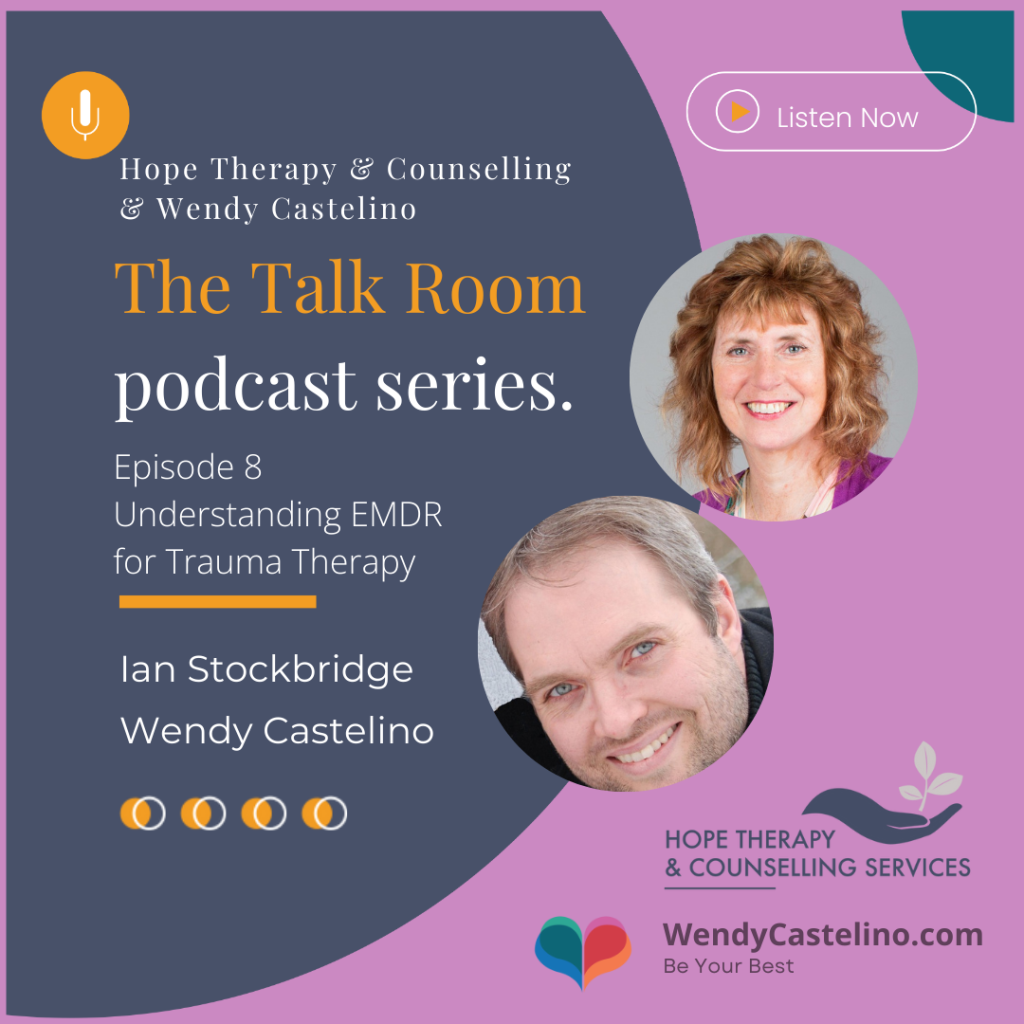
Using EMDR to help manage trauma is the focus of this episode of our Be Your Best Self podcast series. In this conversation, I explore what trauma really is, how it can affect people in different ways, and why EMDR therapy is an effective and evidence-based approach for treating trauma-related symptoms.
Trauma does not always mean a single life-threatening event. It can sit on a continuum, ranging from one distressing experience through to complex PTSD. In this episode, we discuss how trauma memories can show up as flashbacks, nightmares, anxiety, low mood, or a general sense of feeling unsafe or changed as a person, even when someone does not meet the criteria for a PTSD diagnosis.
You will learn:
What trauma is and how it impacts the brain and body
The difference between PTSD, complex PTSD, and unresolved trauma
Why people can experience trauma symptoms without a formal diagnosis
How using EMDR to help manage trauma supports the safe processing of distressing memories
What to expect from EMDR therapy and why it is recommended by NICE
How EMDR can reduce emotional distress and help restore a sense of control and wellbeing
This episode is particularly helpful if you:
Struggle with distressing memories or past experiences
Feel “not quite yourself” after difficult life events
Want to understand whether EMDR could be right for you
Are curious about using EMDR to help manage trauma in a safe, structured way
Alongside this episode, we have written in-depth blog articles that expand on trauma, PTSD, and EMDR therapy in more detail. I encourage you to read the accompanying blogs to deepen your understanding and support your next steps.
Watch the episode, then read the related blogs to continue learning about using EMDR to help manage trauma and recovery.