Please find below a range of topics on mental health for you to watch and listen to.
PTSD After Sexual Assault: Understanding Trauma, Disbelief and the Path to Healing
Please note:this episode discusses sexual assault, trauma, disclosure, disbelief, and recovery. Please listen in whatever way feels safest for you, and pause or step away if you need to.
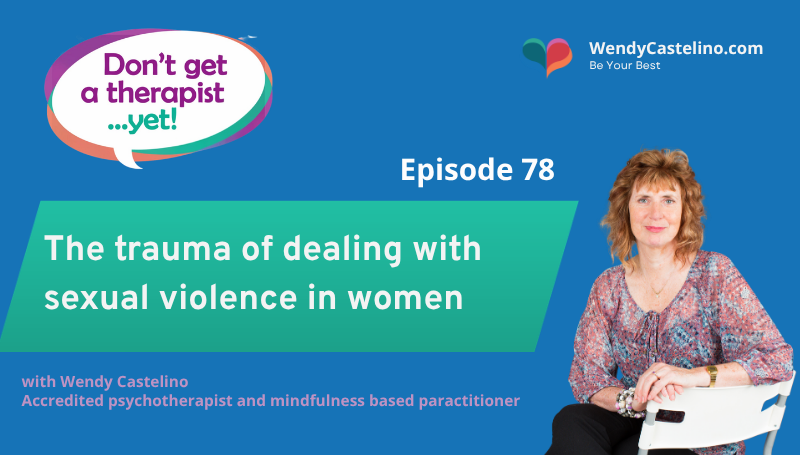
PTSD after sexual assault is one of the most common and least understood consequences of trauma, and in this solo episode of Don’t Get a Therapist Yet, I wanted to sit with this topic properly. This episode focuses specifically on the impact on women and young women, with a future episode planned to give male survivors the dedicated space they deserve.
What Happens in the Body During Sexual Assault
I start by walking through the trauma response itself: fight, flight, freeze, fawn. Understanding these responses matters enormously, because freezing is not consent, staying quiet is not consent, and complying out of fear is not consent. These are automatic survival responses, not choices, and I wanted to say that plainly and clearly.
Why PTSD After Sexual Assault Develops
From there, I explain how PTSD after sexual assault can take hold when the brain hasn’t fully processed what happened. I cover the flashbacks, hypervigilance, avoidance, and emotional numbness many survivors experience, along with the deeper impact when the assault sits alongside earlier trauma or coercive control.
The Pain of Not Being Believed
One of the sections I feel most strongly about is disclosure, and what happens when a survivor is met with doubt instead of belief. I talk about secondary victimisation, the questions that do so much damage even when well-intentioned, and the handful of simple, powerful words that can genuinely change someone’s recovery: I believe you.
When Perpetrators Aren’t Prosecuted
I also address what happens when a case doesn’t proceed, or a sentence feels far too lenient. A decision not to prosecute never means the assault didn’t happen, and I wanted survivors listening to hear that distinction stated with total clarity.
How Therapy Supports Recovery from Sexual Assault
The second half of the episode turns toward healing. I walk through the evidence-based approaches I use in practice, including trauma-focused CBT, EMDR for trauma processing, compassion-focused therapy for shame, grounding techniques for flashbacks and panic, and trauma-informed counselling more broadly. If anxiety and overwhelm are showing up for you right now, my page on anxiety and stress has further support, and my trauma page goes deeper into how trauma is treated in therapy.
Healing Is Possible
Recovery doesn’t mean forgetting. It means slowly reclaiming your voice, your safety, your body, and your future. If this episode speaks to your own experience, please know you don’t have to carry it alone, reaching out to a trusted person, your GP, or a qualified trauma therapist is a genuinely powerful first step.
If this episode has raised anything difficult for you, please consider contacting Rape Crisis England & Wales’ free 24/7 Support Line on 0808 500 2222, or your GP, for support