What is trauma and why does it affect us so deeply?
Trauma isn’t just about “big” events, it can come from anything that leaves you feeling deeply distressed, unsafe, or powerless. This might be a car accident, bullying, abuse, a bereavement, a difficult birth, or even something that doesn’t fit an official diagnosis but still lingers in your mind.
When we experience trauma, our brain often stores the memory in an emotional “stuck” place. That’s why you might keep getting flashbacks, nightmares, or a sense of being on high alert. These feelings aren’t a sign of weakness, they’re your brain trying to protect you.
So, can trauma be treated?
Of course it can (even though it may not seem like it now.)
While trauma may not vanish on its own, there are effective, evidence-based techniques that can help you process it, change how you relate to it, and allow you to feel safer and more in control.
I often use these techniques with my clients:
1️⃣ Narrative Exposure Therapy (NET)
- Create a timeline of your life — make sure you mark both positive and negative experiences.
- Tell your story in detail, sometimes more than once.
- Reframe your experiences with compassion and strength, shifting your perspective from “I was powerless” to “I was brave in impossible circumstances.”
2️⃣ EMDR (Eye Movement Desensitisation and Reprocessing)
- Recommended by NICE guidelines and backed by research.
- Starts with creating a calm, relaxing place in your mind and learning self-regulation.
- Working through distressing memories while moving your eyes in a specific way helps the brain to “unstick” the memory and reduce emotional pain.
- It can also be used to strengthen positive beliefs like “I am strong” or “I am enough.”
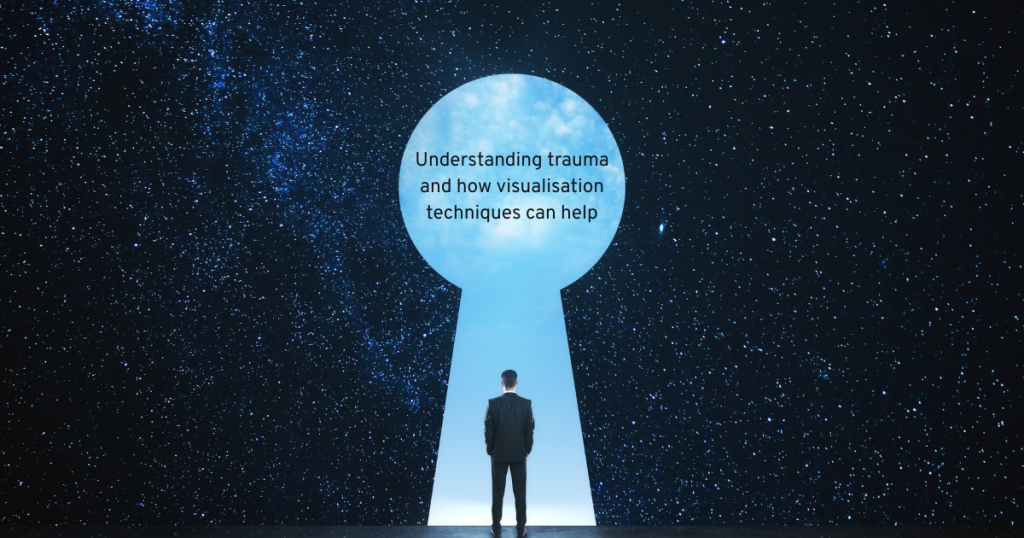
3️⃣ Visualisation Techniques
- Using the power of your imagination to protect and comfort your younger self in past memories.
- Rewrite the scene — stopping the bully, creating safety, or finding justice.
- These changes can give you an immediate sense of relief and empowerment.
What Should You Do Next?
If trauma is affecting your life, whether it’s stopping you from driving, making you feel isolated, or disturbing your sleep, know that help is available.
- Consider professional support.
- Start small. Even learning self-soothing strategies can help you feel more in control. I have lots of resources on the website- click here for more on trauma
- Be compassionate with yourself. Healing is a process, and every step counts.
My mission is to make therapy more accessible. I know that not everyone can afford regular sessions, so I often share practical, proven tools in each podcast episode to help you understand your mind, manage distress, and take positive steps towards recovery.
You deserve to feel safe, strong, and hopeful again, and you don’t have to do it alone.