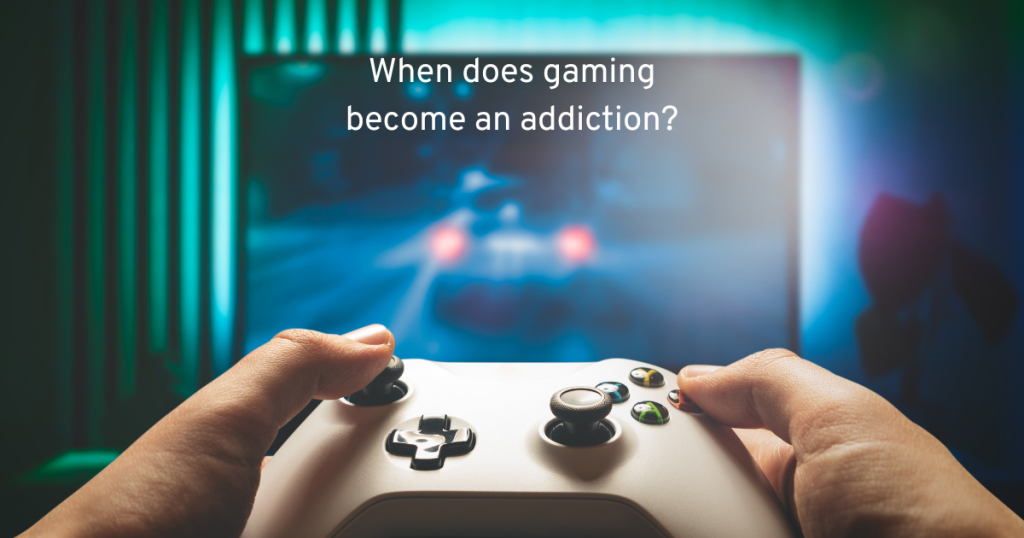
Gaming is a part of daily life for millions, people of all ages and genders enjoy it. But sometimes, the fun can slip into something harder to control: gaming addiction.
If you are worried about how often gaming takes precedence over other parts of your or your children’s lives, then give this guide a read.
How to recognise the signs
- Time takeover – gaming consumes longer and longer stretches of time. The time spent outdoors is a lot lower than time spent indoors gaming.
- Self-care slips – skipping meals, losing sleep or neglecting hygiene because of gaming. Time slips away, and before you know it, hours have passed.
- Life outside the screen suffers – relationships, school, or work begin to take a backseat. Missed an event, promised to be somewhere, not finished your work?
- Hiding the truth – downplaying how much you game or lying about it. Lying is a strong sign of something not being right.
- Mental health dips – noticing low mood, anxiety, or trouble finding joy outside gaming. The brain starts craving the next ‘win’ just to feel normal. A short lived dopamine hit
Why it happens
At first, gaming offers escape, excitement, or social connection, especially when life is hectic or lonely. The thrill gives a sense of control, competence, and belonging. Over time, the brain’s reward system adapts, meaning more gaming is needed just to wake up your mood. What began as calm or connection slowly becomes a need, and the world outside gets neglected.
What you can do
Here are practical steps to begin addressing gaming addiction:
- Recognise the triggers – ask yourself: do I turn to gaming when I’m bored, anxious, or overwhelmed? Acknowledging why you game is the first step
- Find balance, not banning – start with small goals: choose one healthy break at a time (like a walk or hanging out with friends), then schedule a set game time you stick to.
- Try therapy – support can come from different styles:
- CBT helps spot thoughts like “I need gaming now” and replace them with healthier alternatives
- Mindfulness teaches you to notice cravings and pause before acting.
- Trauma approaches (EMDR) can help if gaming is masking painful memories or emotions
- Person-centred therapy ensures you’re heard and supported, without judgement
- Use community support – talking to others facing the same issue, or connecting with groups like Gaming Addicts Anonymous, can reduce isolation and judgement
- Build new routines – fill your time with fulfilling, non-digital activities: sport, creative hobbies, or volunteering. Over time, these bring balance and meaning back.
For parents
If you’re noticing constant gaming in your kids, especially sneaking late at night, skipping chores or moodiness, it may be a sign of gaming taking over.
Have supportive conversations, set consistent screen-time rules, and encourage healthy alternatives. For many families, therapy is a helpful space to explore strategies together.
Listen to our latest The Talk Room podcast all about gaming addiction here.