Menopause, Perimenopause & Mental Health
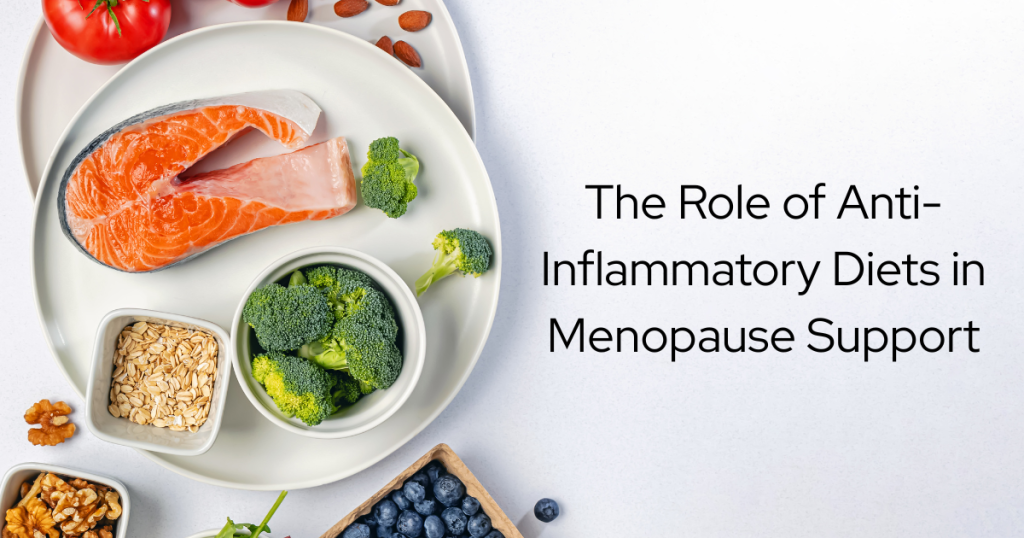
Introducing anti-inflammatory ingredients into your diet can help to reduce perimenopause and menopause symptoms.
Something that Michelle Rowlinson and myself touched on in this week’s “Don’t Get a Therapist Yet” podcast episode.
Perimenopause and menopause symptoms can significantly affect mental health. Many women experience unexpected changes such as:
- Low mood or mild depression
- Increased anxiety or irritability
- Brain fog and difficulty concentrating
- Sleep disturbances contributing to emotional imbalance
These changes are largely driven by hormonal fluctuations, particularly a decline in oestrogen, which influences neurotransmitters like serotonin and dopamine. (The happy and reward hormones)
Understanding Anti-Inflammatory Diets
One of the ways we can help our symptoms is to include anti-inflammatory ingredients into our diet. These ingredients have been shown to support not only physical health but also emotional and cognitive well-being. These diets focus on:
- Whole, unprocessed foods- like brown rice, quinoa, nuts, lentils etc.
- Antioxidant-rich fruits and vegetables- blueberries, strawberries, kale, broccoli, sweet potato etc.
- Healthy fats that nourish the brain- avocados, salmon, mackerel, extra virgin olive oil etc.
- Nutrient-dense proteins and whole grains- chicken, turkey, eggs, fish, etc.
Michelle Rowlinson, featured in our podcast, shares her insights on this approach in her book “You: Conquering Perimenopause and Menopause”, which includes practical strategies and recipes.
Mental Health Benefits of Anti-Inflammatory Eating
Any thing we can do to improve our mental health whilst we navigate this time in our life is beneficial. By reducing systemic inflammation, this dietary approach may:
- Stabilise mood
- Support clearer thinking and focus
- Improve sleep quality- (a must for life in general, not just whilst going through the menopause!)
- Reduce feelings of anxiety or emotional reactivity
A Practical Solution: Simple, Accessible Ingredients
A more practical and down-to-earth way to cook is by using simple ingredients you can grab at any supermarket.
It’s all about recipes that don’t feel intimidating, just easy steps that actually make sense. (Make sure you actually like eating them as well!)
The goal is to create meals that feel good to eat, that are comforting and satisfying, without needing anything fancy or complicated. Cooking and eating should be one of teh best things in life to do so make things you enjoy!!
Making small, thoughtful changes to what you eat can be a gentle way to support both your body and mind during menopause.
It doesn’t have to be overwhelming, especially when you have the right guidance. With helpful tools and expert advice this stage of life starts to feel a lot more manageable, and even empowering.
Listen now to my podcast episode featuring Michelle Rowlinson, where we discuss the mental and physical shifts that occur during menopause and how they can effect your mental health.
Want more helpful and insightful conversations around mental health- there are plenty to choose from on my Podcast page