Please find below a range of topics on mental health for you to watch and listen to.
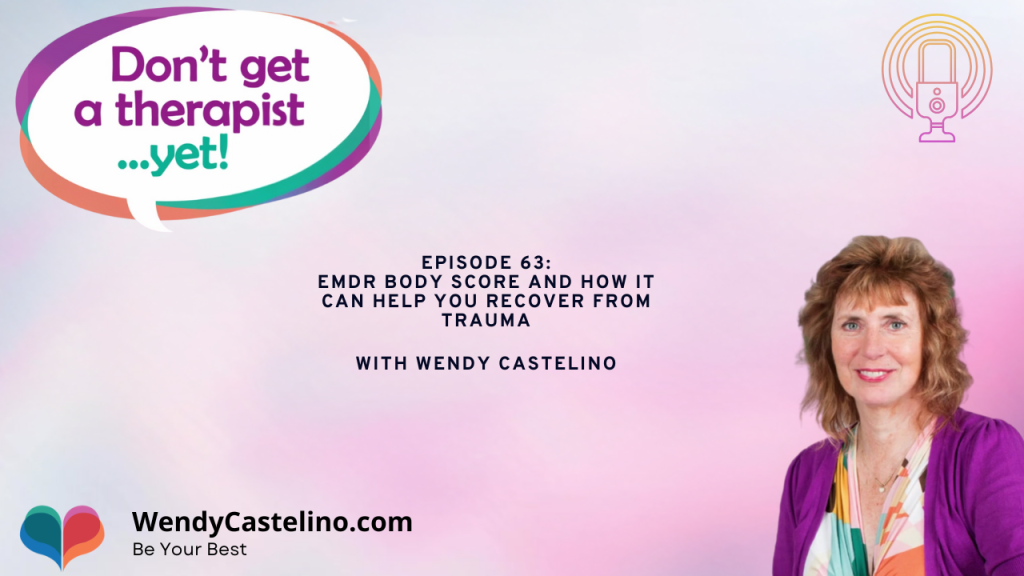
EMDR, body score, and how trauma affects the body
Trauma is something we associate with our mind, but did you know trauma can also physically affect the body?
Trauma doesn’t only live in memory. It can become a pattern in the nervous system, shaping how the body reacts long after an event is over. That’s why people often experience physical symptoms such as muscle tension, sleep disruption, panic surges, digestive issues, or feeling constantly on edge, even when life looks “fine” on the surface.
In this episode of Don’t Get a Therapist Yet, I unpack how trauma physically affects the body through the autonomic nervous system and why the body can stay stuck in fight, flight, or freeze. This response isn’t a personal failure, it’s neurobiology doing its best to protect you.
You’ll hear:
Why trauma memories aren’t stored like ordinary stories
How the nervous system becomes threat-biased after trauma
Common physical signs linked to unresolved trauma
Why insight alone doesn’t always settle the body
How EMDR therapy helps trauma memories shift from “happening now” to “something that happened”
We also explore how EMDR (Eye Movement Desensitisation and Reprocessing), recommended by NICE guidelines in the UK, works directly with trauma memory networks in the brain and body. Research shows EMDR can reduce physiological arousal, helping the body step out of constant alarm and into recovery.
This episode is for anyone trying to understand persistent body reactions after trauma, those exploring therapy options, or people wanting to support their nervous system between sessions.
Trauma recovery is not just about talking, it’s about helping the body learn that the threat is truly over.